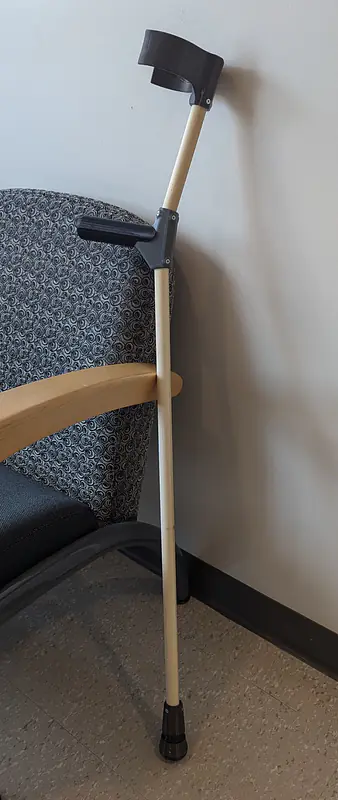
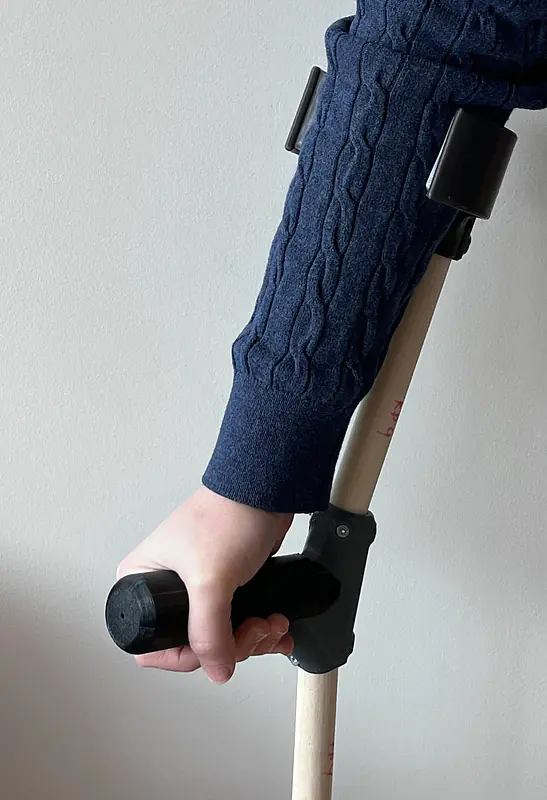
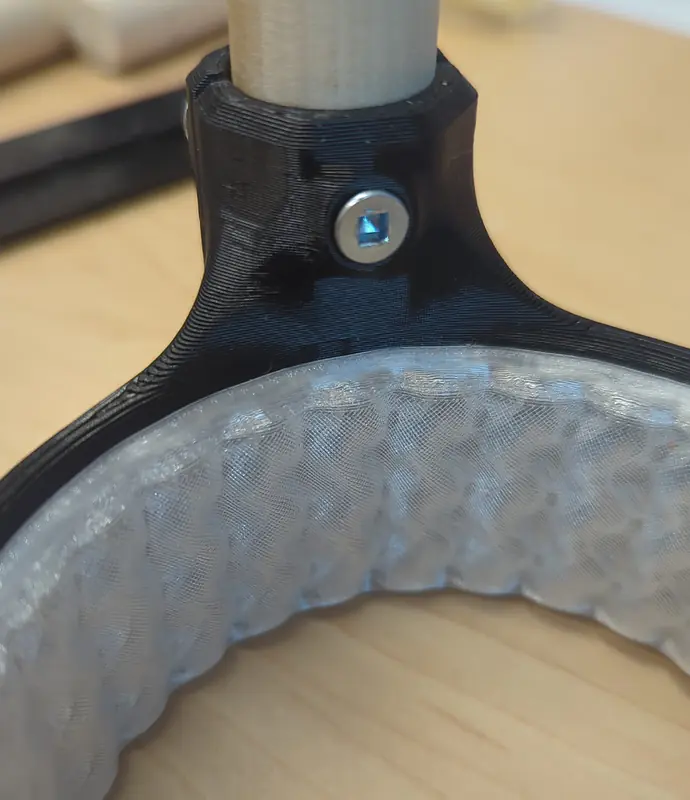
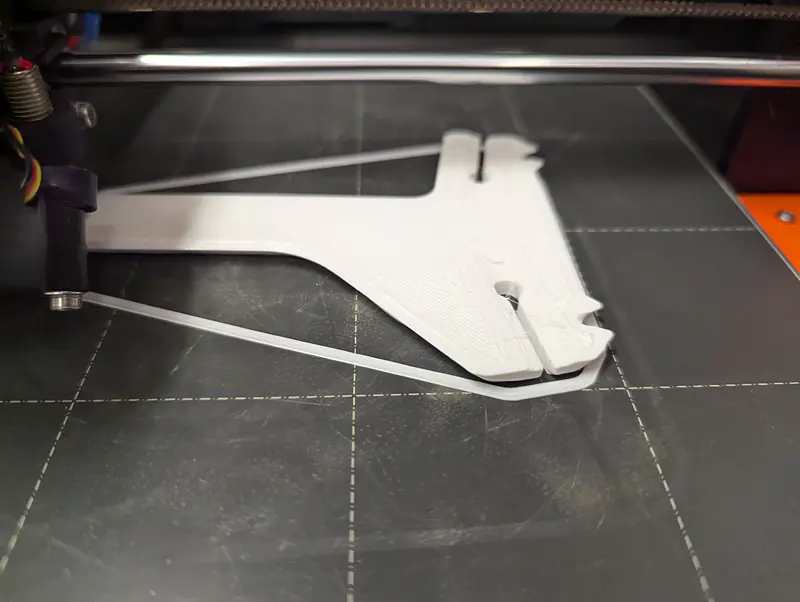
Design for replicability in open-source distributed assistive technology for low-resource settings: a case study of two-piece 3D-printed forearm crutches


Unpublished


Alessia Romani*, Rebecca Kaaya Nansubuga, Maryam Mottaghi, Danielle Munang, Emily Bow Pearce, Pooja Viswanathan, Thomas Jenkyn, Tarek Loubani, Jacob M. Reeves, Joshua M. Pearce
MedRxiv, 2026 Feb


View PDF DOI LINK
Cite

Cite

APA   Click to copy
Romani*, A., Nansubuga, R. K., Mottaghi, M., Munang, D., Pearce, E. B., Viswanathan, P., … Pearce, J. M. (2026, February). Design for replicability in open-source distributed assistive technology for low-resource settings: a case study of two-piece 3D-printed forearm crutches. MedRxiv. https://doi.org/10.64898/2026.02.13.26345756


Chicago/Turabian   Click to copy
Romani*, Alessia, Rebecca Kaaya Nansubuga, Maryam Mottaghi, Danielle Munang, Emily Bow Pearce, Pooja Viswanathan, Thomas Jenkyn, Tarek Loubani, Jacob M. Reeves, and Joshua M. Pearce. “Design for Replicability in Open-Source Distributed Assistive Technology for Low-Resource Settings: a Case Study of Two-Piece 3D-Printed Forearm Crutches.” MedRxiv, February 2026.


MLA   Click to copy
Romani*, Alessia, et al. “Design for Replicability in Open-Source Distributed Assistive Technology for Low-Resource Settings: a Case Study of Two-Piece 3D-Printed Forearm Crutches.” MedRxiv, Feb. 2026, doi:10.64898/2026.02.13.26345756.


BibTeX   Click to copy

@unpublished{alessia2026a,
  title = {Design for replicability in open-source distributed assistive technology for low-resource settings: a case study of two-piece 3D-printed forearm crutches},
  year = {2026},
  month = feb,
  journal = {MedRxiv},
  doi = {10.64898/2026.02.13.26345756},
  author = {Romani*, Alessia and Nansubuga, Rebecca Kaaya and Mottaghi, Maryam and Munang, Danielle and Pearce, Emily Bow and Viswanathan, Pooja and Jenkyn, Thomas and Loubani, Tarek and Reeves, Jacob M. and Pearce, Joshua M.},
  month_numeric = {2}
}

Abstract

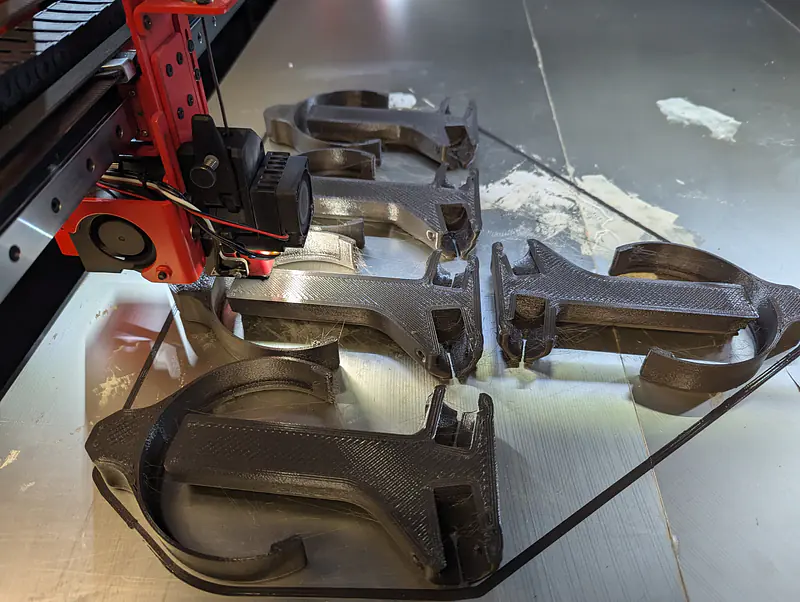
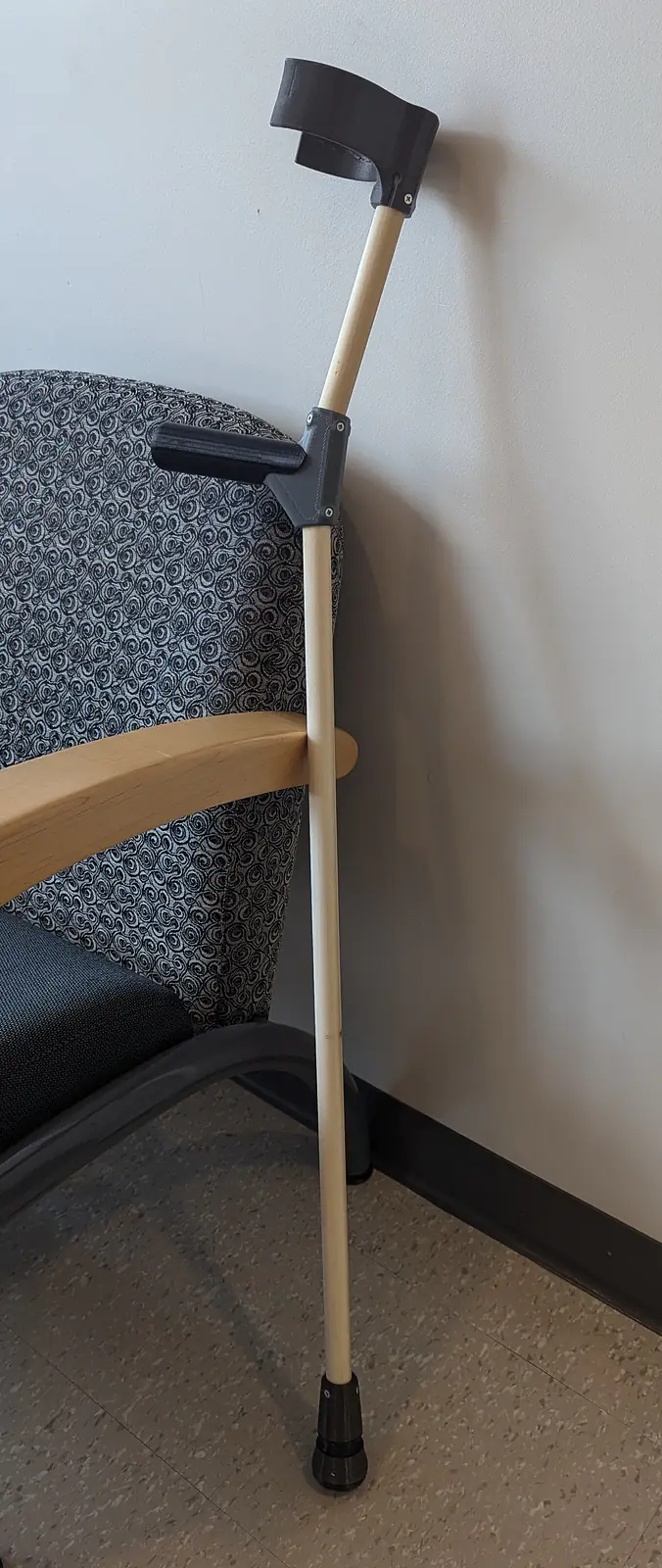
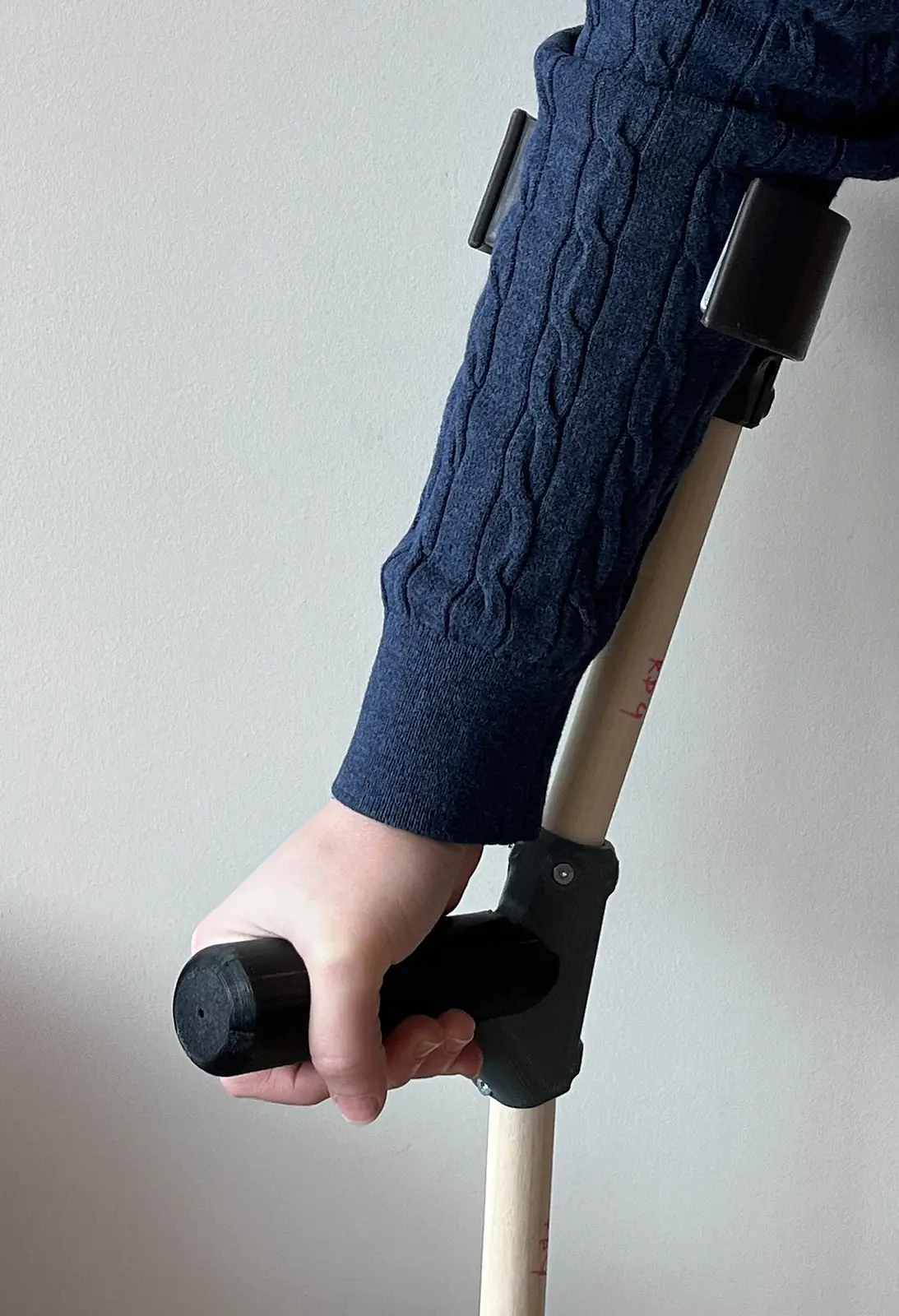
Purpose: Distributed manufacturing of open-source assistive technology shows potential to offer accessible, affordable, and customizable solutions for users in low-resource contexts. Their real-world adoption, however, depends not only on the availability of openly shared designs but also on their replicability when fabricated in different local contexts. This work investigates the replicability of open-source hardware in assistive technology through a practical design-driven approach, using the development and experimental evaluation of a two-piece open-source forearm crutch as a case study.
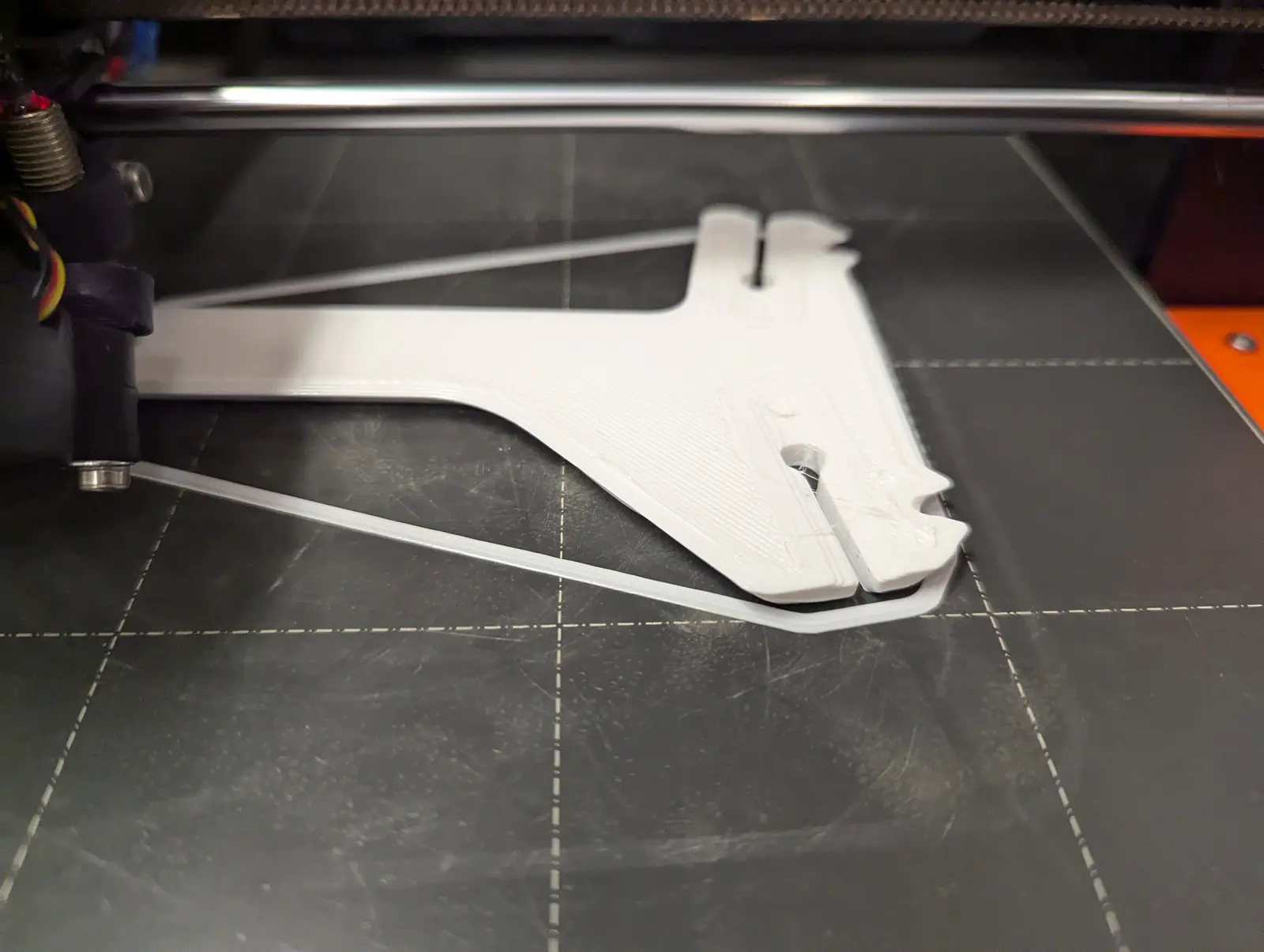
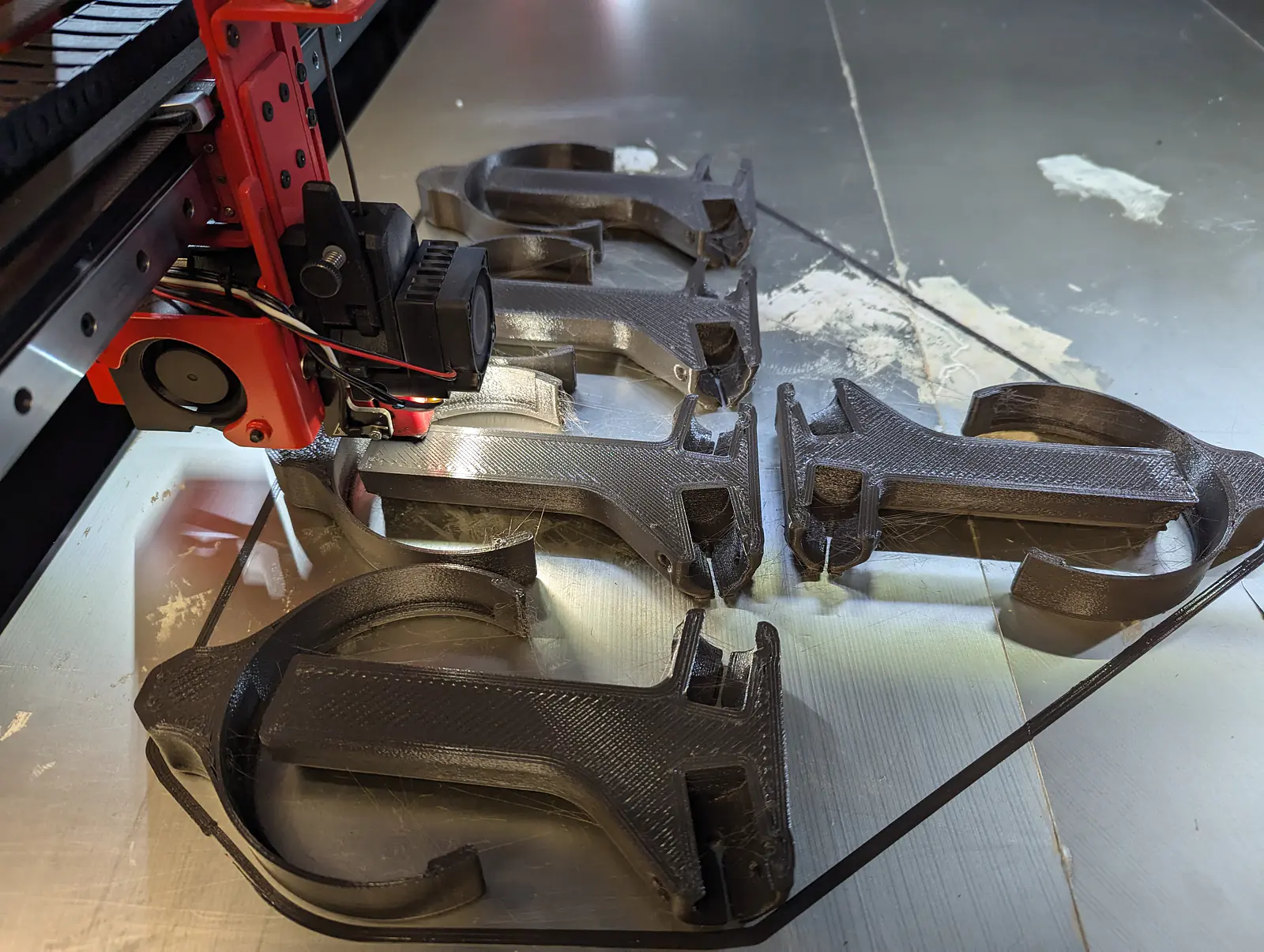
Materials and Methods: Replicability was considered from early-stage design and evaluated by introducing controlled variations from distributed manufacturing contexts, e.g., material feedstock, manufacturing equipment, and fabrication strategies. Four batches of crutches were fabricated and assembled using virgin and recycled filaments on small- and large-format 3D printers. After a qualitative evaluation, mechanical static load testing was performed following ISO 11334:2007, together with economic analysis.
Results: Comparable mean load-bearing and consistent failure behavior were achieved across batches, making them suitable for use in pairs as assistive mobility devices. Limited cost variability was achieved, supporting repairability and product lifecycle extension, while enabling affordable and easy fabrication in different local contexts.
Conclusions: Beyond the specific case study, the replicability of open-source hardware for assistive devices needs to be considered as an early-stage design constraint by developing products that allow for variability from local contexts and by including product-specific approaches to assess replicability during development. This design shift can support accessibility and real-world adoption of open-source assistive technology in low-resource settings. 1

Keywords

Mobility aids // Design for Additive Manufacturing // Open source hardware // Open Design // Sustainable Design // Product replicability // Open source assistive devices


  • 📝 Full text (preprint version) 2
  • 🛠️ OSF Repository (3D models and dataset) 3
  • 🛠️ OSF Repository (3D models of the testing rig) 4


OSHWA Certified Open Hardware


Repli-C is an Open Source Hardware Assistive Product certified by OSHWA (Open Source Hardware Association), released under the GNU General Public License (hardware and documentation) and GNU General Public License (GPL) 3.0. (software).

  • Certified Open Hardware - OSHWA UID CA000072 (Certification, license, and links) 5


  1. Romani, A., Nansubuga, R.K., Mottaghi, M., Munang, D., Bow Pearce, E., Viswanathan, P., Jenkyn, T., Loubani, T., Reeves, J., and Pearce, J.M., 2026. Design for replicability in open-source distributed assistive technology for low-resource settings: a case study of two-piece 3D-printed forearm crutches. Available at MedRxiv. DOI: 10.64898/2026.02.13.26345756

  2. Romani, A., Nansubuga, R.K., Mottaghi, M., Munang, D., Bow Pearce, E., Viswanathan, P., Jenkyn, T., Loubani, T., Reeves, J., and Pearce, J.M., 2026. Design for replicability in open-source distributed assistive technology for low-resource settings: a case study of two-piece 3D-printed forearm crutches. Available at MedRxiv. DOI: 10.64898/2026.02.13.26345756

  3. Romani, A., Nansubuga, R.K., Mottaghi, M., Munang, D., Bow Pearce, E., Reeves, J., Pearce, J.M. 2026. Repli-C: 3D printable open source two-piece crutches. Project repository. Available at OSF.io. DOI: 10.17605/OSF.IO/N8M5Y

  4. Romani, A., Nansubuga, R.K., Woods, M., Reeves, J., Pearce, J.M. 2026. Open source testing rig for mechanical static loading test of forearm crutches. Project repository. Available at OSF.io. DOI: 10.17605/OSF.IO/6EB2T

  5. Western University - FAST Lab. 2026. Repli-C: Open-Source Two-Piece Forearm Crutch. Certification. Available at OSHWA.org. Link: https://certification.oshwa.org/ca000072.html


Tools
Translate to